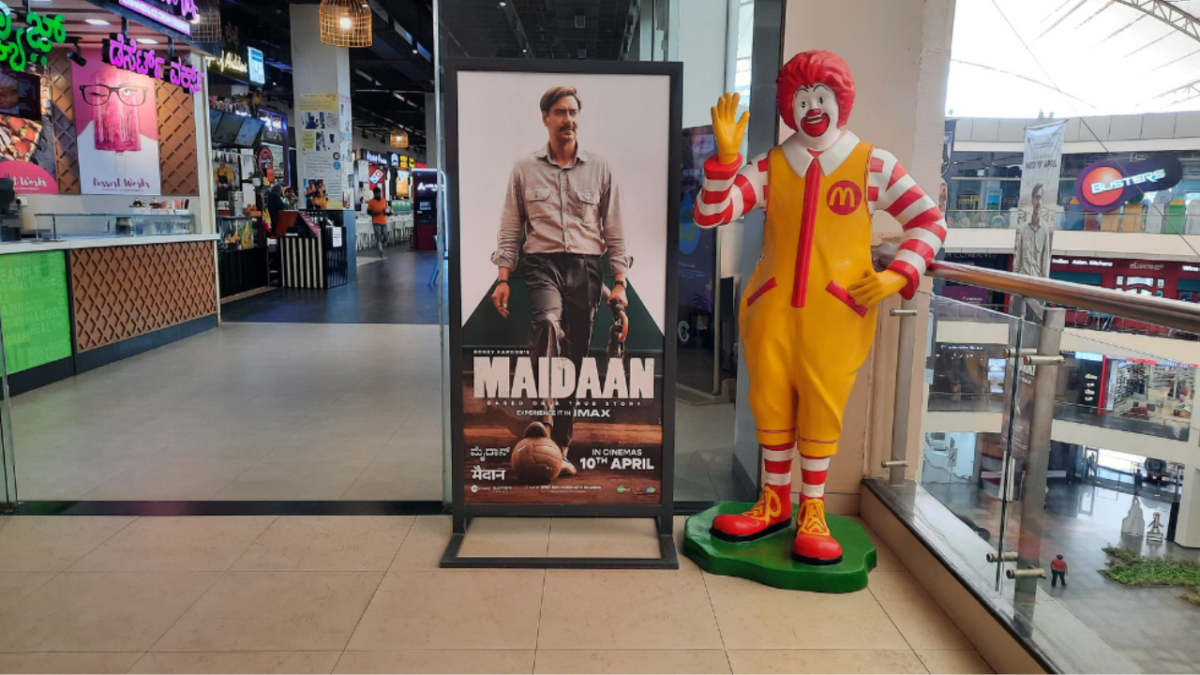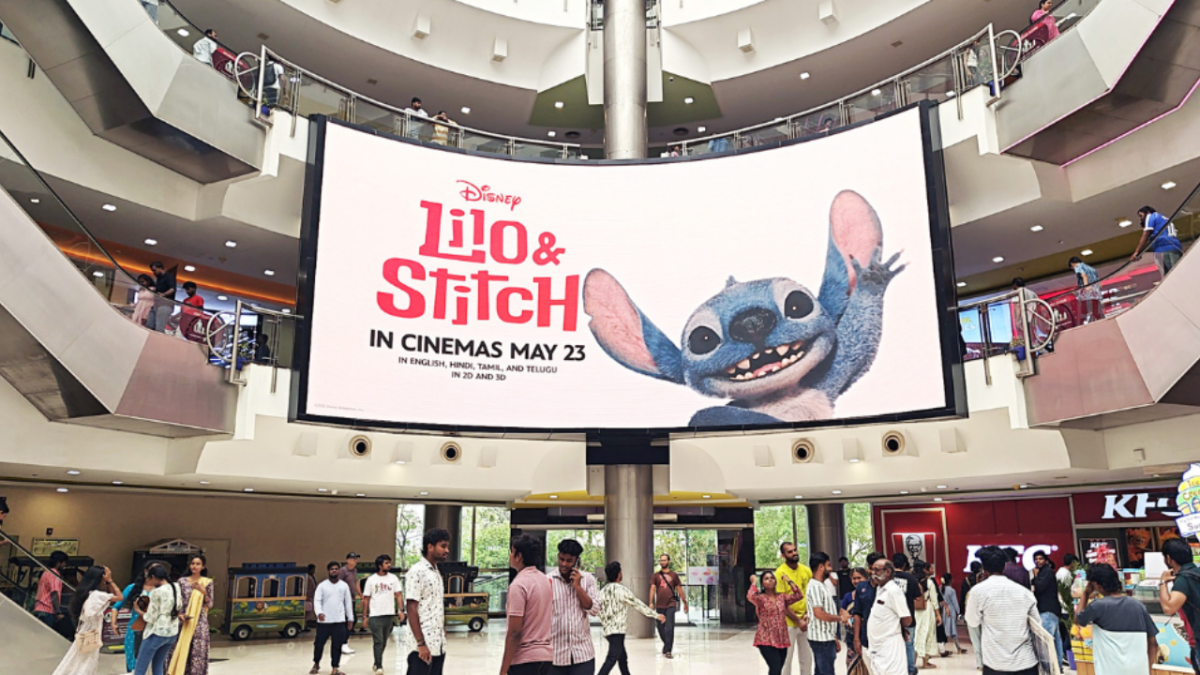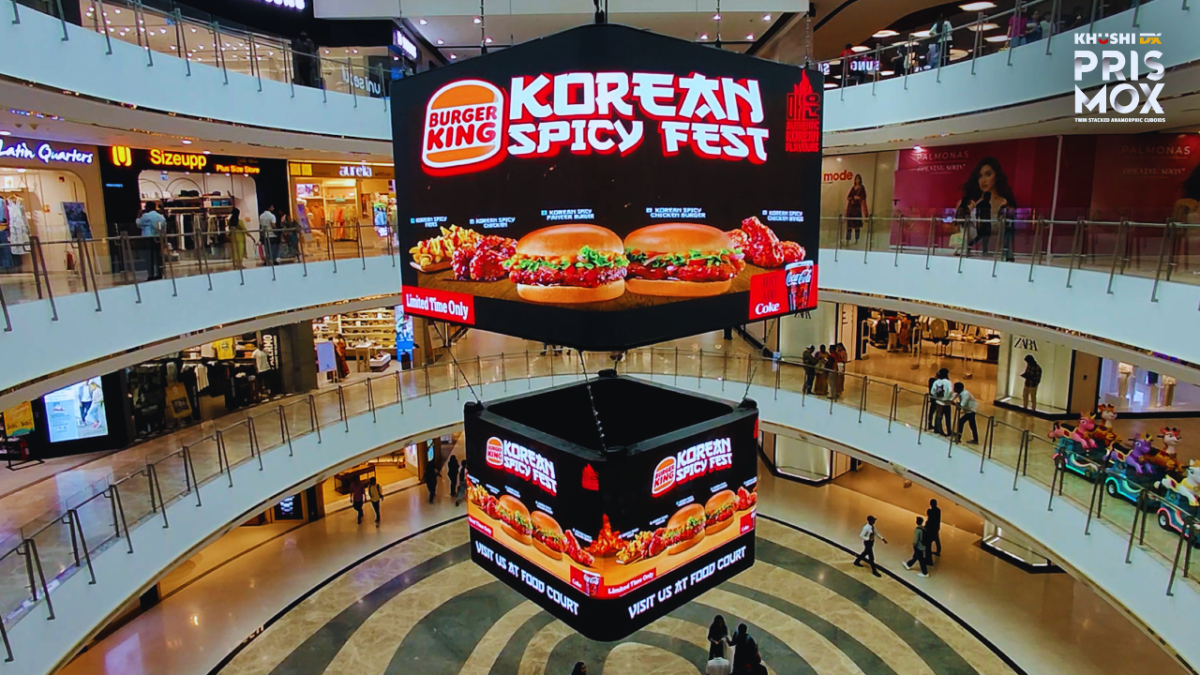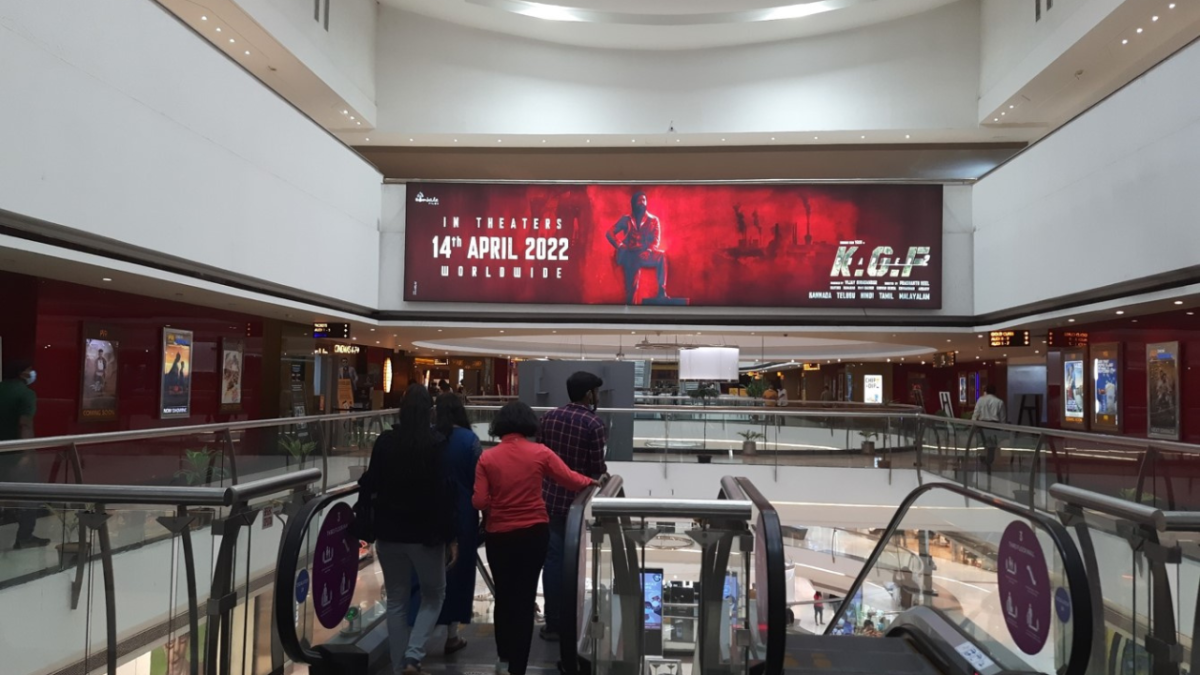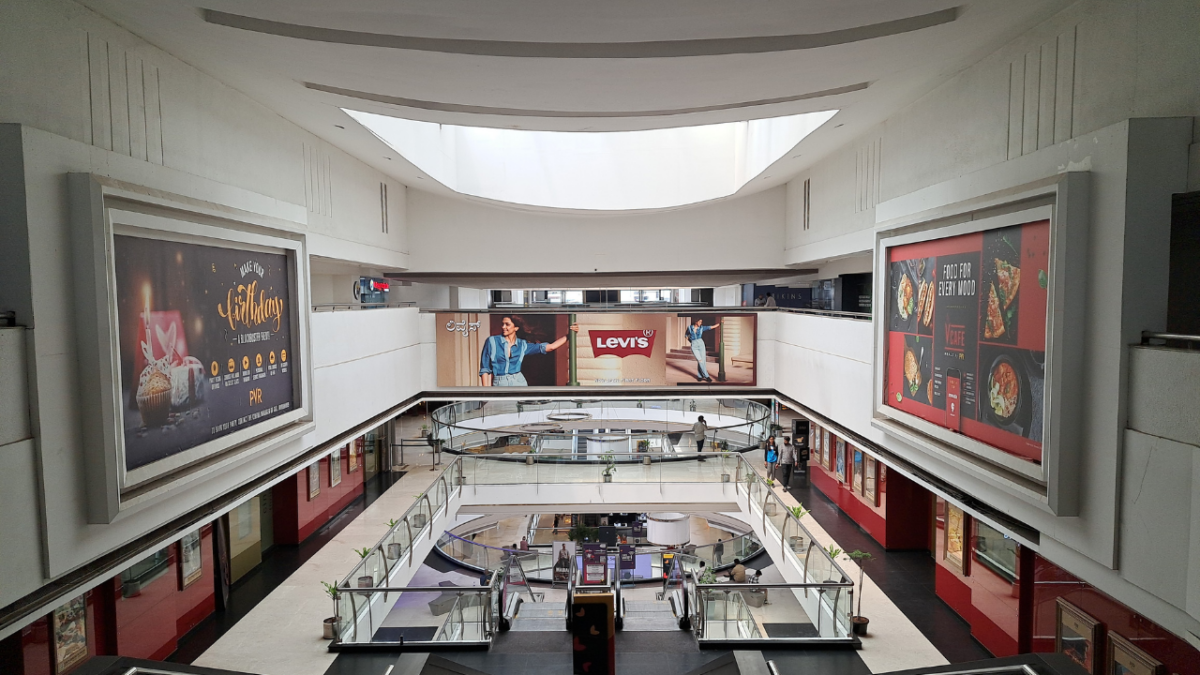
Shopping malls across South India are evolving into high engagement spaces where consumers do much more than shop. They explore, socialize, dine, and experience brands in a physical environment that digital platforms cannot fully replicate. Understanding mall footfall trends is now essential for brands that want to maximize visibility and drive meaningful customer interactions.
Khushi Advertising supports brands in leveraging these high footfall environments through a strong mall media network across South India, including Bengaluru with Nexus Koramangala Mall, Nexus Whitefield Mall, and Nexus Shantiniketan Mall, along with Mysuru, Mangalore, Chennai, Hyderabad, Andhra Pradesh, and key locations in Kerala, enabling consistent brand visibility and impactful engagement across both metro and emerging markets.
The Rise of Experiential Retail in South India
Cities like Bengaluru, Chennai, and Hyderabad are witnessing a shift in how consumers engage with malls. Footfall is no longer driven only by shopping needs. Instead, people visit malls for entertainment, lifestyle experiences, and community interactions.
This shift has led to:
-
Longer dwell times
-
Higher engagement with in mall advertising
-
Increased impulse purchases
For brands, this means mall advertising is no longer just about visibility. It is about creating memorable experiences that influence buying behavior.
Key Footfall Trends Across South India
1. Weekend and Evening Peaks
Footfall is significantly higher during weekends and post work hours. Families, young professionals, and students prefer malls as social hubs.
2. Growth in Tier One and Emerging Cities
While metros like Bengaluru and Chennai remain dominant, cities in Andhra Pradesh and Kerala are seeing rising mall culture and increasing consumer spending.
3. Youth Driven Traffic
A large percentage of mall visitors are Gen Z and millennials. They are highly responsive to visually engaging and interactive advertising formats.
4. Seasonal and Festive Surges
Festivals and sale periods bring massive spikes in footfall, making them ideal windows for high impact campaigns.
What This Means for Brands
1. High Impact Visibility
Malls provide brands with access to a concentrated and diverse audience. Strategic ad placements ensure repeated exposure during a single visit.
2. Better Targeting
Different malls attract different audience segments. For example:
-
Premium malls attract affluent shoppers
-
Community malls attract families and local residents
This allows brands to tailor campaigns based on audience demographics.
3. Stronger Brand Recall
Physical advertising in malls creates a stronger recall compared to digital ads because consumers experience the brand in a real world context.
4. Opportunity for Omnichannel Integration
Mall advertising can be combined with digital campaigns to create a seamless brand journey from awareness to purchase.
Why Mall Advertising Works in South India
-
High footfall ensures continuous exposure
-
Captive audience leads to better engagement
-
Premium environment enhances brand perception
-
Strategic locations influence purchase decisions
Future Outlook
Mall footfall in South India is expected to grow steadily with urban expansion, rising disposable incomes, and evolving consumer lifestyles. Malls will continue to act as central hubs for retail and entertainment.
Brands that invest in mall advertising now will benefit from:
-
Early positioning in high growth markets
-
Stronger brand recall among urban consumers
-
Better conversion through physical engagement
Conclusion
Mall footfall trends in South India highlight a powerful opportunity for brands to connect with consumers in a meaningful way. With the right strategy and the right partner, mall advertising can deliver measurable results.
Khushi Advertising enables brands to tap into this opportunity with premium mall media solutions across South India. Whether the goal is awareness, engagement, or conversion, mall advertising remains one of the most effective channels to influence consumer decisions.